Change of Land Use (CLU): Agricultural to Residential in Haryana
You cannot build a house or a shop on farmland just because you own it. First, the land use has to be changed from agricultural to residential or commercial. This is called Change of Land Use, or CLU. Skipping it is one of the most common and costly mistakes property buyers make. This guide explains what CLU is, how it works in Haryana, the process, and what to check before you buy.
Quick takeaways
- Agricultural land must get Change of Land Use approval before it can be used for homes, shops or offices.
- In Haryana, CLU is granted by the Town and Country Planning Department, known as DTCP.
- The land must fall inside a permissible development zone in the gazetted master plan. If not, conversion is refused.
- CLU charges depend on the zone, the area and the intended use, and applications can be filed online.
- Buying converted land without checking zoning, mutation and CLU status is a serious risk.
What Change of Land Use means
Every piece of land has a designated use in government records. Farmland is meant for agriculture. To use it for a house, a colony, a shop or a factory, the owner must legally convert its use. CLU is the permission that makes non-agricultural use lawful. Without it, any construction is unauthorised and can be demolished, and you cannot get a proper completion certificate or clean title.
Why CLU matters to buyers
- Legality. Only converted land can host approved residential or commercial building.
- Loans. Banks fund construction on properly converted, approved land, not on raw agricultural plots.
- Resale. Clean CLU and approvals make the property far easier to sell later.
- Peace of mind. It protects you from demolition drives and future disputes.
How CLU works in Haryana
In Haryana, the Directorate of Town and Country Planning, or DTCP, regulates land conversion. Development must match the approved master plan for that area. The first and most important test is the zone. Before you even apply, you check the exact coordinates of the plot against the gazetted master plan. If the land sits outside a permissible development zone, the state will not allow conversion, no matter how much you are willing to pay. This single check separates a safe buy from a dead investment.
The CLU process, step by step
- Check the master plan zone. Confirm the plot lies in a zone where residential or commercial use is allowed.
- Verify ownership records. Ensure the title, mutation and revenue records are clean and in your name.
- Apply to DTCP. File the CLU application, now available online, with land documents and site details.
- Pay the charges. CLU charges, and any development or conversion charges, are based on zone, area and use.
- Meet conditions. The department may set infrastructure, setback and access conditions before approval.
- Get the CLU certificate. Once approved and paid, you receive the certificate that permits the new use.
What to check before buying converted or convertible land
- Zoning. Match the plot to the master plan. This is non-negotiable.
- CLU status. For land sold as converted, demand the actual CLU certificate and verify it.
- Mutation and revenue records. Confirm the seller's ownership. See our mutation guide.
- Road access. Legal access matters for both approval and value.
- Encumbrances. Check for loans or disputes with an encumbrance certificate.
A note on DDJAY and licensed colonies
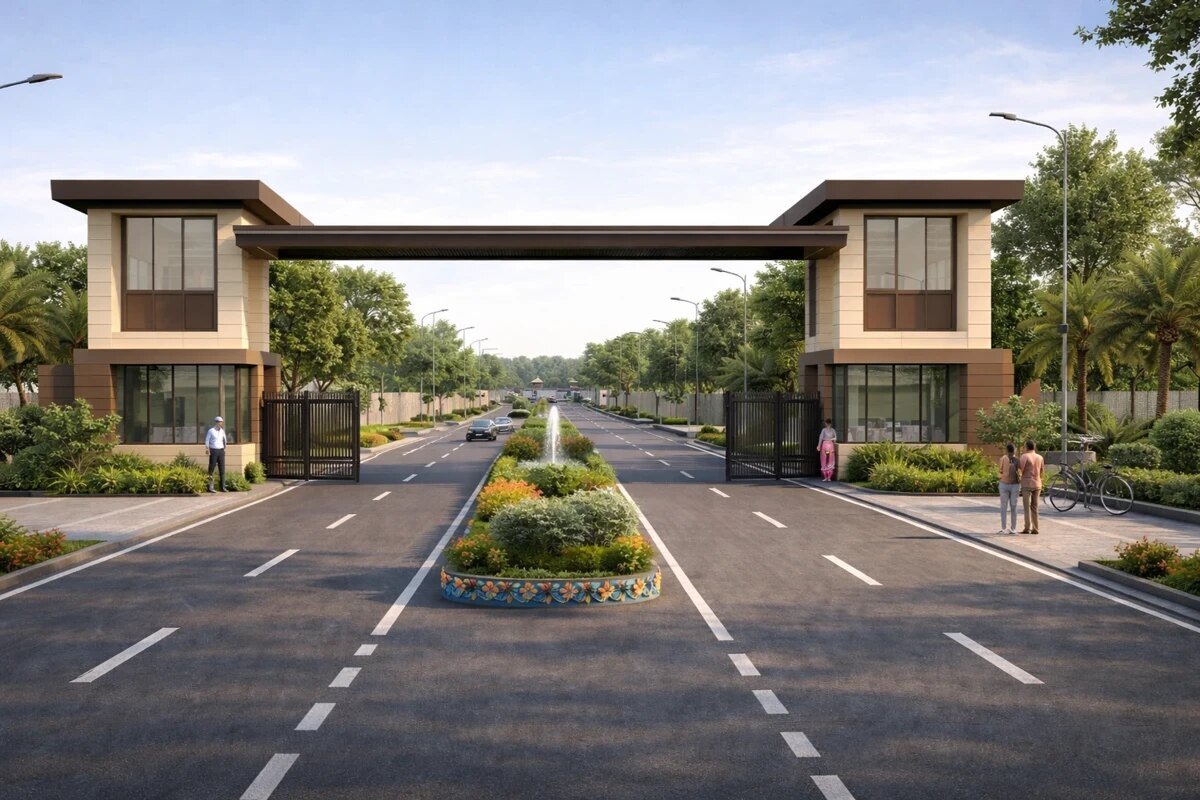
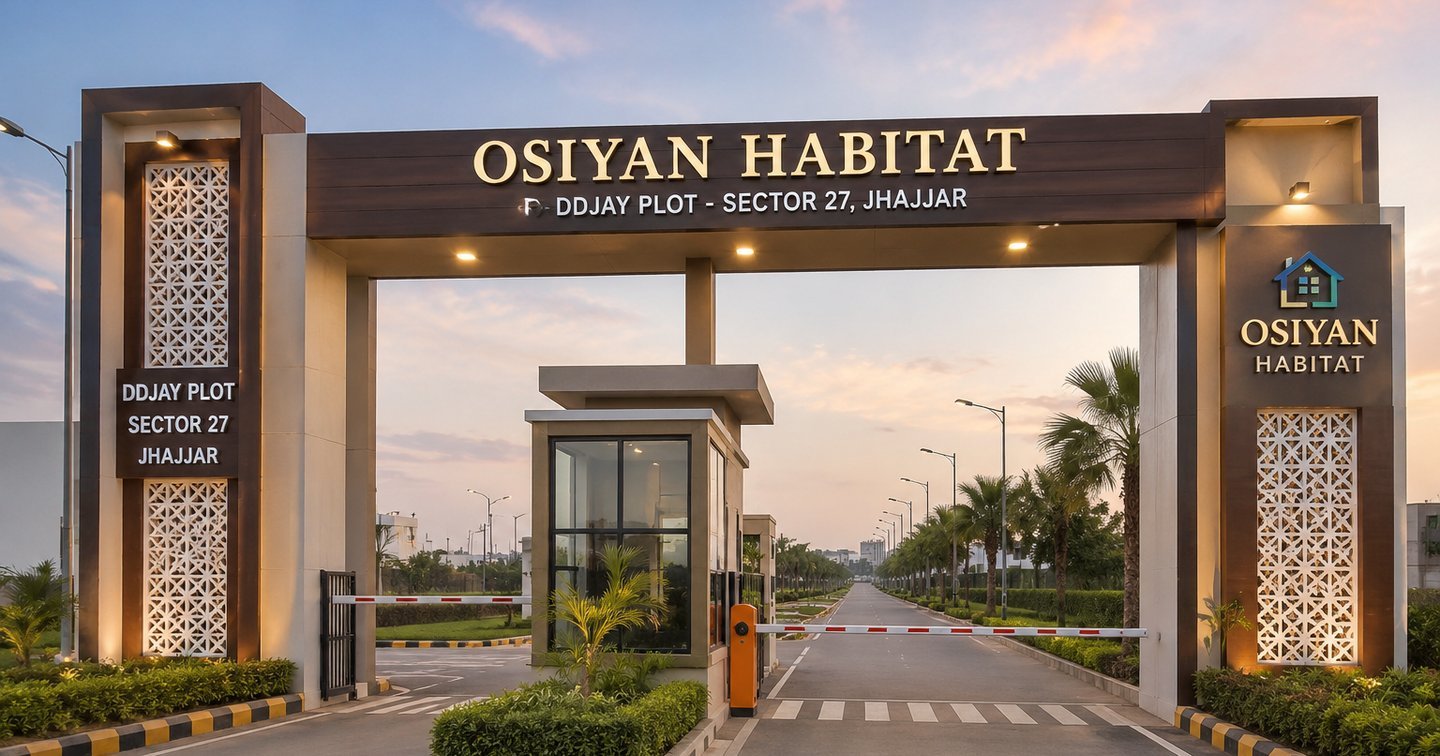
In Haryana, many affordable plotted colonies come under the Deen Dayal Jan Awas Yojana, where the developer has already obtained the licence and CLU. Buying a plot inside a licensed DDJAY colony is usually safer than buying raw farmland and converting it yourself. Our DDJAY plots guide explains how these colonies work. For live options, see plots in Gurgaon.
CLU in other states
The idea is the same across India, but the name and the department change. In Uttar Pradesh, conversion is handled through the local development authorities and the revenue department. In other states you may hear it called land conversion or NA, meaning non-agricultural, permission. The core rule holds everywhere: farmland cannot be used for building until its use is legally changed, and the plot must sit in a zone where such use is allowed. So wherever you buy, ask the same questions. Which department grants conversion here, is my plot in a permitted zone, and can the seller show a valid conversion order. If any answer is unclear, slow down and verify before you pay.
FAQ
What is Change of Land Use (CLU)?
CLU is the legal permission to change a plot's designated use, for example from agricultural to residential or commercial, so that lawful construction and approvals become possible.
Who grants CLU in Haryana?
The Directorate of Town and Country Planning, DTCP Haryana, grants CLU. Applications can be filed online, and the land must lie within a permissible zone in the approved master plan.
Can any agricultural land be converted to residential?
No. Only land that falls inside a permissible development zone in the master plan can be converted. Land outside such zones cannot get CLU approval.
What are CLU charges in Haryana?
CLU charges depend on the zone, the plot area and the intended use, and there may be additional development charges. Confirm current rates with DTCP before applying.
Is it safe to buy farmland and convert it myself?
It carries risk. Unless the land is in a permissible zone and you complete CLU properly, construction is unauthorised. Buying inside a licensed DDJAY colony is often safer.
CLU is the line between a legal property and an expensive problem. Check the master plan zone first, verify records and the certificate, and never build on farmland without proper conversion. When in doubt, get a local property lawyer to confirm the status.