Delhi Master Plan 2041 can create about 150 million sq ft of commercial real estate
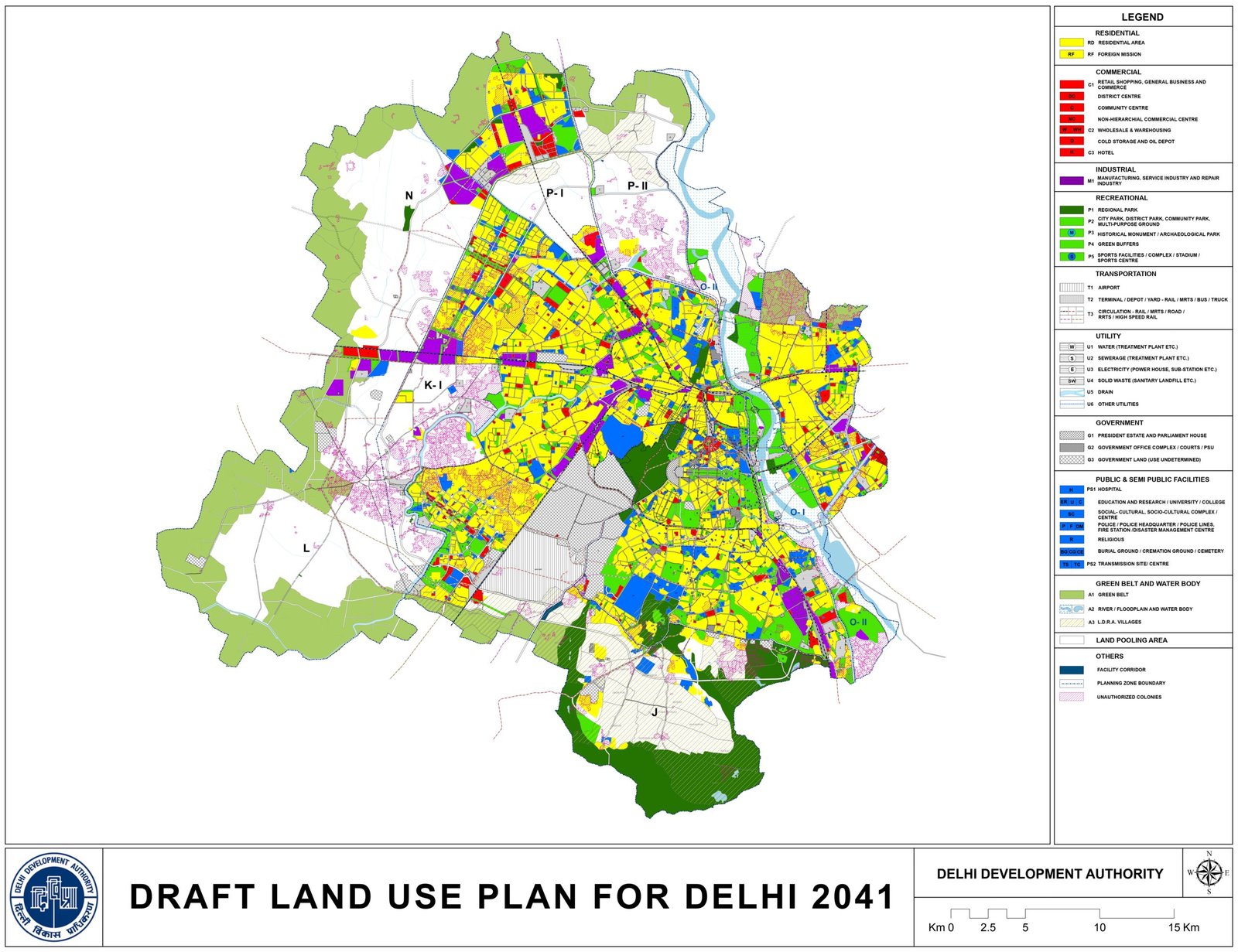
Delhi Master Plan 2041 aims to create 150 million sq ft of commercial real estate, generating a USD 15 billion opportunity for the real-estate sector. The plan includes developing 5000 acres of greenfield commercial spaces, self-sufficient sectors, and revitalizing 1,700 unauthorized colonies. It also targets integrated development for 47 villages and opening up 57,000 hectares for urban expansion.
Delhi Master Plan 2041 can create about 150 million sq ft of commercial real estate, and could potentially offer a USD 15 billion opportunity for the stakeholders of the real-estate sector, according to Delhi Consortiums, a Delhi Urban development focused think tank.
It is estimated that approx. 20% of the workforce of Gurugram lives and travels to work from West and North West Delhi.
Under MPD2041, the corporates and employers can take ‘Workplace to the workers’ and take advantage of lower costs and higher productivity.
About 5% of the total greenfield developments of the future in Delhi would constitute commercial development. It is estimated that about 5000 acres of greenfield and modern commercial developments can be undertaken in the capital of India.
DLF Cyber Hub in Gurgaon is approximately 150 – 175 acres and Delhi can create 5-7 large format commercial hubs on the Urban Extension Road (UER) which would be within a 15-20 minutes’ drive from the IGI Airport.
“With an additional expected population of more than 1.2 crores, each of the 125 odd sectors in Delhi master plan have to be planned as self-sufficient units with the right mix of residential, commercial, retail and recreational spaces,” the think tank has said.
The peripheral villages of Delhi would be developed under the integrated development model, under the green development area policy. These 47 villages have the potential to house large educational and work campuses, social & recreational spaces. The revenue potential from GDA, specially from the services sector can contribute as much as 25% incremental GDP of Delhi.
Many part of the city were developed 30-50 years ago, and they’re in urgent need for retro-fitment of contemporary infrastructure. There’s an opportunity to redevelop many of these Industrial and unauthorised segments in a planned & efficient manner. It could be a revenue spinner for both the government as well as the landowners.
MPD-2041 is set to open up over 57,000 hectares of land for planned urban expansion, facilitating the construction of 1.7 million new homes to address Delhi’s housing deficit.
The plan also focuses on the regeneration of 1,700 unauthorised colonies and settlements, many of which are over five decades old.
PDF Download :- Draft Land Use Plan_public notice09062021_compressed
source :- https://m.economictimes.com/
Frequently Asked Questions
Can I claim tax benefits on a home loan?
Yes, home-loan principal and interest carry deductions under the income tax rules, subject to limits and conditions. Confirm the current rules or ask a tax adviser.
What is the difference between freehold and leasehold?
Freehold gives you full, permanent ownership of the property and land; leasehold runs for a fixed term from an authority. Freehold is generally simpler to resell.
How do I check a builder's track record?
Look at delivered projects, delivery delays, the RERA record and buyer reviews. A builder with a clean, on-time record lowers your risk sharply.
What red flags should I watch for when buying?
Unclear title, missing approvals or RERA, pending dues, a builder with delays, and prices far below the market. If something feels rushed, slow down and verify.
What is the difference between capital appreciation and rental yield?
Appreciation is the rise in the property value over time; rental yield is the annual rent as a share of the price. Most Indian homes give modest yield and rely on appreciation.
How much should I keep as a buffer beyond the price?
Set aside for stamp duty, registration, GST where it applies, interiors, and a contingency. A buffer of a meaningful share above the base price is prudent.
Is a home loan pre-approval useful?
Yes, a pre-approved loan tells you your budget, speeds up booking and strengthens your negotiating position with sellers. Get it before you shortlist seriously.
How do I choose between two similar projects?
Compare the builder record, RERA status, carpet area, real amenities, connectivity and total cost, not just the headline price. Visit both before deciding.
What stamp duty and registration charges apply in Delhi?
Stamp duty and registration vary by state and are usually a few percent of the property value, with a small rebate for women buyers in many states. Confirm the current Delhi rate before you budget.
How much home loan can I get to buy in Delhi?
Most buyers get a loan for 75-90% of the value, tied to income and credit score. Our home loan by salary guide shows the ranges.
What documents do I need to buy property in Delhi?
Identity and address proof, PAN, income papers for a loan, and the property title chain, approvals and latest tax receipts. Keep both sides KYC ready for registration.
How do I check if a project is RERA-registered?
Search the state RERA portal by project or builder name for the registration number and approved plan. Our RERA check guide explains it.
Can NRIs buy property in Delhi?
Yes, NRIs can buy residential and commercial property in India, though not farm land. Payments must come through banking channels, and a trusted power of attorney helps if you are abroad.
What taxes apply when I sell property in Delhi?
You pay capital gains tax on the profit, lower if you hold beyond the long-term period, with reliefs if you reinvest in another home. Take advice before you sell.
Is it a good time to buy in Delhi?
Timing matters less than buying the right property at a fair price with clean papers. If a home fits your budget and needs, waiting for a perfect market rarely pays.
How do I verify a property title in Delhi?
Check the chain of ownership, the latest record, any loan or lien and pending dues, and match the seller identity to the title. A local lawyer can vet the deed.