What is a Refuge Area in a High-Rise Building?
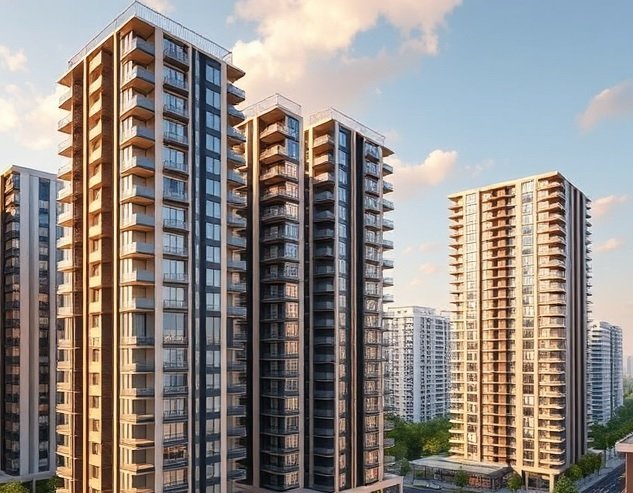
Live in a high-rise and there is a floor you may have never visited but that could one day save your life: the refuge area. It is a fire-safety feature required in tall buildings, yet many residents do not know it exists or what rules protect it. Some builders have even tried to misuse it. This guide explains what a refuge area is, why it matters, and what buyers should know.
What a refuge area is
A refuge area is a designated safe space in a high-rise building where residents can gather and wait for rescue during a fire or emergency. Positioned at intervals up the height of a tall tower, it is built to resist fire and smoke for a period, giving people a protected place to assemble when evacuating fully is not immediately possible. It is a core part of the fire-safety design that makes tall buildings safe to live in.
Why tall buildings need it
Above a certain height, evacuating everyone down the stairs quickly becomes difficult, and fire services take time to reach upper floors. Refuge areas solve this by giving residents intermediate safe points. Building and fire-safety norms require them in high-rises above a specified height, and a genuine fire NOC depends on them being provided correctly. A tower lacking proper refuge areas has a serious safety and compliance gap.
The rule buyers must know
A refuge area is common, shared safety space, not saleable private area. Builders cannot legally sell it as part of a flat, convert it into an apartment, or let it be enclosed and occupied, because doing so defeats its life-saving purpose and violates safety norms. Yet cases have occurred where refuge areas were misused or sold, drawing action from authorities. As a buyer, be aware that this space belongs to safety and the residents collectively, and any attempt to sell or privatise it is a warning sign about the builder, the kind of red flag our builder track record guide teaches you to spot.
What to check about refuge areas
- Confirm the building has refuge areas as required for its height, shown in the approved plans.
- Check the fire NOC and safety compliance are genuine and current.
- Ensure no refuge area has been enclosed, sold or converted into flats.
- Verify that access to refuge areas and fire exits is clear and unobstructed.
These sit within the wider safety and approval checks in our project evaluation guide and document verification checklist.
Know your building's safety layout
A refuge area only helps if residents know it exists and how to reach it, so treat learning your building's safety layout as part of living in a high-rise. When you move in, find out where the refuge areas are, how the fire staircases run, and where the assembly points and fire equipment are located. In an emergency, panic and smoke make it hard to think, so the knowledge you gathered calmly beforehand is what guides you. Well-run societies conduct fire drills and keep escape routes and refuge areas clear and marked; if yours does not, raise it with the association, since blocked stairwells and cluttered refuge areas defeat the entire safety design. As a buyer, a building that takes fire safety seriously, with genuine refuge areas, working fire systems and clear drills, is safer to live in and better managed overall. Safety features and management quality tend to go together, so a tower that protects its refuge areas usually looks after everything else too.
Frequently asked questions
What is a refuge area in a high-rise building?
It is a designated fire-resistant safe space in a tall building where residents assemble and wait for rescue during a fire or emergency, provided at intervals up the height of the tower.
Why are refuge areas required in high-rises?
Because fully evacuating tall buildings quickly is difficult and fire services take time to reach upper floors. Refuge areas give residents intermediate protected points, and fire-safety norms mandate them above a certain height.
Can a builder sell the refuge area?
No. A refuge area is common safety space, not saleable private area. Selling it, enclosing it, or converting it into flats is illegal and defeats its life-saving purpose.
How do I know if a building has proper refuge areas?
Check the approved building plans and the fire NOC, confirm refuge areas exist as required for the building's height, and ensure none has been enclosed, sold or occupied.
Is a refuge area part of my flat's area?
No. It is common safety space shared by all residents and cannot be included in or sold as part of an individual flat. Any such inclusion is a compliance violation.
What if a builder has sold or misused a refuge area?
Treat it as a serious warning about the builder and the project's compliance. Such misuse violates safety norms and can draw action from authorities, and it should factor into your buying decision.
The refuge area is a quiet piece of a high-rise that exists purely for your safety, and its protection is not negotiable. Confirm your building has proper refuge areas and that none has been misused, and treat any attempt to sell them as a red flag. Our team can help you check a tower's safety compliance before you buy.