Fractional Ownership of Real Estate in India: SM REITs, Returns and the Honest Risks
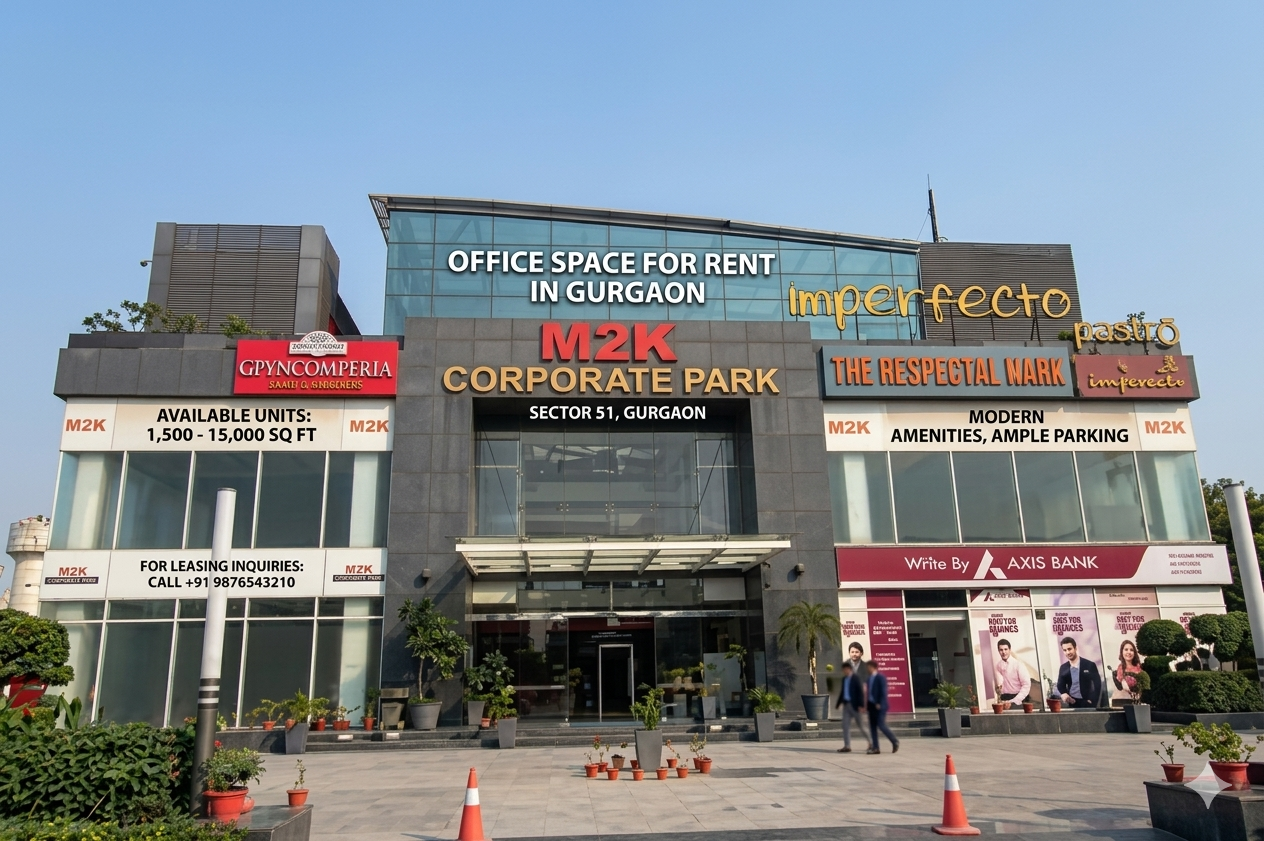
Owning a slice of a Grade-A office building in Gurgaon or BKC used to need ₹50 crore. In 2026 it needs ₹10 lakh, sometimes less, thanks to fractional ownership platforms and SEBI's new SM REIT (Small and Medium REIT) framework. The pitch is seductive: institutional-quality commercial property, 8–9% rental yields, professional management, and now exchange-listed units you can actually exit. The reality is more nuanced: a regulatory shake-out is underway, yields vary widely, and "fractional" still means very different things depending on the structure you buy into. This guide explains fractional ownership in India as it stands in 2026, how SM REITs work, minimum investments, realistic returns, the platforms' regulatory deadline, and who should (and shouldn't) put money in.
Key points
- SEBI's SM REIT framework now regulates fractional ownership: minimum asset size ₹50 crore per scheme, investor minimum ₹10 lakh at issue, units listed on NSE/BSE.
- 95% of net cash flow must be distributed quarterly, the income discipline old platforms lacked.
- The market is big and getting bigger: SM REIT-able stock is estimated above USD 75 billion (500+ million sq ft), with strata/fractional models already covering ~28% of Grade-A office stock.
- Platforms that fail SEBI's ₹20 crore net worth and operational criteria face consolidation or shutdown by mid-2026, know which side your platform is on.
- Realistic returns: rental yields ~2–3% on premium assets to 8–9% on commercial, plus appreciation, not the "guaranteed 15%" some marketing claims.
- This is a commercial-property income product, not a substitute for buying your home.
What fractional ownership actually is
Fractional ownership pools money from multiple investors to buy a single large property, typically leased commercial assets like offices, warehouses or retail, with each investor owning a proportionate share and receiving proportionate rent. Before 2024, this ran through SPV (Special Purpose Vehicle) structures: the platform floated a company/LLP for each building, investors bought shares/units in it, and trusted the platform for management and eventual exit. It worked, but with no regulator, no standard disclosures, and no liquid exit.
SEBI's SM REIT regulations changed that. Small and Medium REITs are a formal, regulated version of the same idea, scheme-based trusts holding completed, revenue-generating assets, with units listed on stock exchanges.
How SM REITs work in 2026
| Feature | SM REIT rule |
|---|---|
| Asset size per scheme | ₹50 crore minimum (below this stays in unregulated SPV/LLP land) |
| Minimum investment | ₹10 lakh per investor at issue |
| Asset type | Completed, income-generating (no under-construction speculation) |
| Distribution | 95% of net cash flow, quarterly |
| Liquidity | Units listed and traded on NSE/BSE |
| Manager requirements | Net worth, track record and skin-in-the-game norms |
| Leverage | Capped, with disclosure norms |
The listing requirement is the big shift: the biggest historical problem with fractional ownership, "how do I get out?", now has a market answer. Liquidity will still be thinner than large REITs. But a screen price beats begging the platform for a buyer.
SM REITs vs large REITs vs old-style fractional platforms
| SM REIT | Large REIT (Embassy, Mindspace etc.) | Unregulated SPV platform | |
|---|---|---|---|
| Minimum ticket | ₹10 lakh | One unit (a few hundred rupees) | ₹10,000–25 lakh (varies) |
| What you own | Units of a single-asset/few-asset scheme | Units of a large diversified portfolio | Shares in a building-specific SPV |
| Regulation | SEBI SM REIT framework | Full SEBI REIT regulations | Effectively none |
| Liquidity | Exchange-listed (moderate depth) | High | Poor, platform-dependent |
| Yield profile | Asset-specific, 6–9% typical for offices | ~6–7% distribution | Promised high, delivery varies |
| Risk concentration | Single asset/tenant risk | Diversified | Single asset + platform risk |
Honest read: for most retail investors wanting real-estate income, large listed REITs remain the simplest instrument (tiny ticket, easy exits, diversification, see our REITs guide). SM REITs suit investors with ₹10 lakh+ who want asset-level selection, you pick the specific building and tenant story, not a blended portfolio.
Returns, what's realistic in 2026
- Rental yield: Grade-A offices in strong micro-markets distribute 6–9% pre-tax depending on purchase price and occupancy. Premium trophy assets and residential-style fractional deals run lower (2–3%).
- Appreciation: commercial capital values track rental growth and cap-rate cycles, mid-to-high single digits annually in good corridors, not guaranteed.
- Total return: a realistic underwriting for a good SM REIT scheme is 10–14% IRR over 5+ years, before assuming any cap-rate compression. Anyone marketing "assured 15–18%" is either leveraging aggressively or overselling.
- Taxation: distributions carry REIT-style pass-through treatment depending on their character (interest/dividend/amortisation), and unit sales attract capital gains, factor post-tax, not brochure, returns.
The 2026 shake-out, check your platform's status
The transition deadline is the industry's big story: existing fractional platforms had to migrate eligible schemes to SM REIT registration, meeting the ₹20 crore net worth and operational criteria, or face consolidation/wind-down by mid-2026. What this means for you:
- Investing fresh? Prefer SEBI-registered SM REIT schemes (or large REITs). An unregistered platform selling new SPV deals in 2026 is operating on borrowed time.
- Already invested via an SPV platform? Ask three questions in writing: Is this scheme migrating to SM REIT? What's the timeline? If not, what's the exit plan? Migration is good news (listing = liquidity). Silence is not.
- Due diligence stays yours: even registered schemes carry single-asset risk, tenant concentration, lease expiries, micro-market vacancy. Read the scheme document's tenant and lease tables, not the landing page.
Fractional ownership vs buying property yourself
At ₹10–50 lakh, your realistic alternatives are a budget flat, a plot, REIT units or a fractional/SM REIT position. The trade-offs:
- Control: your own flat/plot is yours to use, build, leverage. Fractional gives none of that.
- Income: fractional/SM REIT wins clearly, 6–9% versus 2.5–3.5% on residential rent (yield guide).
- Effort: fractional is passive. Direct ownership is tenants, repairs and society meetings.
- Leverage and end-use: banks fund your flat purchase readily. Fractional positions aren't home-loan assets and can't house your family.
Sensible framing: fractional/SM REITs are a fixed-income-plus product for surplus capital, after your own home and emergency corpus, not instead of them. If the choice is "first home vs fractional units", it's the home, see the NCR affordable guide and rent vs buy.
Who should invest, and who shouldn't
- Fits: investors with ₹10 lakh+ surplus seeking commercial-grade income; HNIs diversifying beyond equity/FD; NRIs wanting managed Indian commercial exposure. Investors who understand single-asset risk.
- Doesn't fit: first-home savers. Anyone needing the money inside 3–5 years. Yield-chasers who haven't read a lease table. Anyone being sold "guaranteed" returns.
FAQs
What is the minimum investment in fractional real estate in India?
For SEBI-regulated SM REITs, ₹10 lakh at issue. Some unregulated platforms advertise entries as low as ₹10,000, but those sit outside the SM REIT framework, with the risks that implies.
What is an SM REIT?
A Small and Medium REIT, SEBI's framework for fractional ownership: schemes holding completed, income-generating assets of ₹50 crore+, distributing 95% of net cash flow quarterly, with units listed on NSE/BSE.
What returns do fractional ownership platforms give?
Realistically 6–9% rental yield on good commercial assets plus potential appreciation, a 10–14% IRR underwriting over 5+ years is sensible. Treat "assured 15%+" claims as marketing.
Is fractional ownership safe?
SEBI-registered SM REITs bring regulation, disclosures and listed liquidity, a big improvement. Single-asset concentration, tenant and vacancy risk remain. Unregulated SPV platforms additionally carry platform risk.
How do I exit a fractional investment?
SM REIT units trade on stock exchanges. Old SPV-style holdings depend on the platform finding a buyer or the scheme migrating to SM REIT listing, ask your platform its migration status.
Fractional ownership vs REITs, which is better?
Large REITs for simplicity, liquidity and small tickets; SM REITs/fractional for asset-level selection at ₹10 lakh+. Many investors sensibly hold both, details in our REITs guide.
Can NRIs invest in SM REITs?
Yes, subject to FEMA norms and the scheme's offer terms, the listed structure makes NRI participation cleaner than old SPV deals. Confirm repatriation specifics with the platform and your bank.
Is rental income from fractional ownership taxable?
Yes, distributions are taxed per their character under REIT pass-through rules, and selling units attracts capital gains tax. Evaluate post-tax yield for your slab.
What happens to platforms that don't get SEBI registration?
They face consolidation or wind-down under the mid-2026 transition, existing investors should demand their platform's migration plan in writing.
Can I buy fractional residential property?
Platforms offer holiday-home and residential fractions, but yields are low (2–3%) and the SM REIT framework centres on commercial income assets. For residential exposure, owning directly or via the budget corridors usually works better.
Weighing an SM REIT scheme against buying a second property outright? Realty Hunting can run the real comparison for your ticket size, income, effort, exit, free. And for the direct-ownership side, our pre-leased commercial listings show what full ownership at similar yields looks like.
How much should I keep as a buffer beyond the price?
Set aside for stamp duty, registration, GST where it applies, interiors, and a contingency. A buffer of a meaningful share above the base price is prudent.
Is a home loan pre-approval useful?
Yes, a pre-approved loan tells you your budget, speeds up booking and strengthens your negotiating position with sellers. Get it before you shortlist seriously.
How do I choose between two similar projects?
Compare the builder record, RERA status, carpet area, real amenities, connectivity and total cost, not just the headline price. Visit both before deciding.
What matters most when investing in property?
Location, connectivity, the builder record and clean title matter more than a flashy brochure. Buy where jobs and infrastructure are growing, and hold patiently.
How do I judge if an area will grow?
Look at planned roads, metro and airports, new job hubs and steady end-user demand. Infrastructure and employment are the strongest long-term drivers.
Is under-construction or ready better for investment?
Under-construction can cost less and appreciate more but carries delay risk; ready homes are safer with immediate rent. Match the choice to your risk appetite.