India's Fastest-Growing Property Markets: Where Prices Rose the Most
Everyone knows Mumbai and Delhi are expensive. But the cities where prices are rising the fastest right now are not always the usual suspects. In 2026, a southern tech hub is beating everyone on price growth, and premium homes are running away from the rest of the market. Here are India's fastest-growing property markets and what is driving them.
The fastest-growing markets, ranked
| City / region | Price appreciation (YoY, 2026) | Main driver |
|---|---|---|
| Bengaluru | ~24% | GCCs, IT and startup jobs |
| Mumbai Metropolitan Region | ~20% | Redevelopment, infra, wealth |
| Delhi NCR (Gurugram) | ~19% (luxury) | Branded homes, Dwarka Expressway |
| Chennai | 12%+ | Manufacturing, IT corridors |
| Kolkata | 12%+ | Value catch-up, new supply |
| Pune | ~9% quarter-on-quarter | IT, accelerating demand |
| Hyderabad | ~8% | Steady after a fast run |
Bengaluru is the surprise leader
The biggest story of 2026 is Bengaluru. It posted the highest year-on-year residential price growth among the big cities in Q1, at about 24%. The engine is jobs. Global Capability Centres, the startup ecosystem, and the traditional IT base keep pulling in high-earning buyers who want homes near work. When steady demand meets limited good supply in the tech corridors, prices climb. Many buyers assumed Mumbai or Delhi would lead. This year, Bengaluru took the top spot.
Mumbai and NCR stay strong
The Mumbai Metropolitan Region grew about 20% over the year, one of the strongest performances in the country, helped by redevelopment, new infrastructure, and its deep pool of wealthy buyers. Delhi NCR, led by Gurugram, saw luxury price growth near 19%. The Gurugram story is all about branded residences and better roads, especially the Dwarka Expressway, which has opened up whole new sectors of premium supply.
Premium homes are racing ahead
The sharpest trend is not a city, it is a segment. Homes priced above ₹1 crore saw price growth of roughly 30% over the year, and the ₹1.5 crore to ₹3 crore band grew even faster, reportedly around 67%. The wealthy are buying, and they are buying big. Meanwhile, affordable and mid-range supply has thinned out in prime areas. This is why the headline growth numbers look so strong even when overall sales volumes are only steady. The money is concentrating at the top.
What is driving the growth
- Jobs and GCCs. Cities with strong white-collar job growth, led by Bengaluru, see the most consistent housing demand.
- Infrastructure. New expressways, metros, and airports lift the belts around them. The Dwarka Expressway and the Jewar airport corridor are prime NCR examples.
- Premiumisation. Buyers are trading up to bigger, branded homes, which pushes the high-end segment far faster than the rest.
- Limited quality supply. Good projects in the best micro-markets are scarce, so prices there rise faster.
What it means for buyers and investors
Fast growth cuts both ways. If you already own in these markets, your asset is doing well. If you are buying, be careful not to chase a number that has already run up. A market that grew 20% in a year will not always repeat it, so buy for the long term, on solid fundamentals, not on last year's chart. And remember, headline city growth hides big differences between micro-markets. A strong corridor can sit next to a flat one in the same city.
Bringing it back to Gurgaon
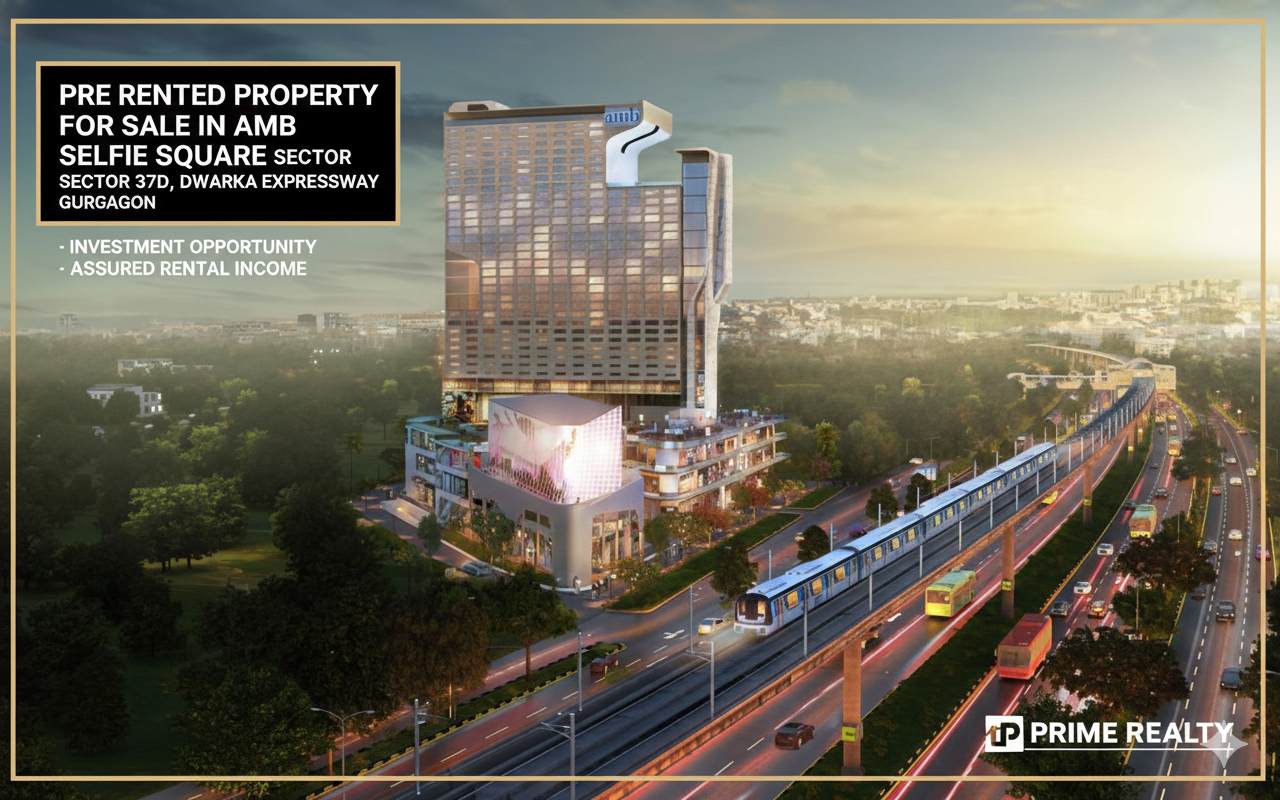
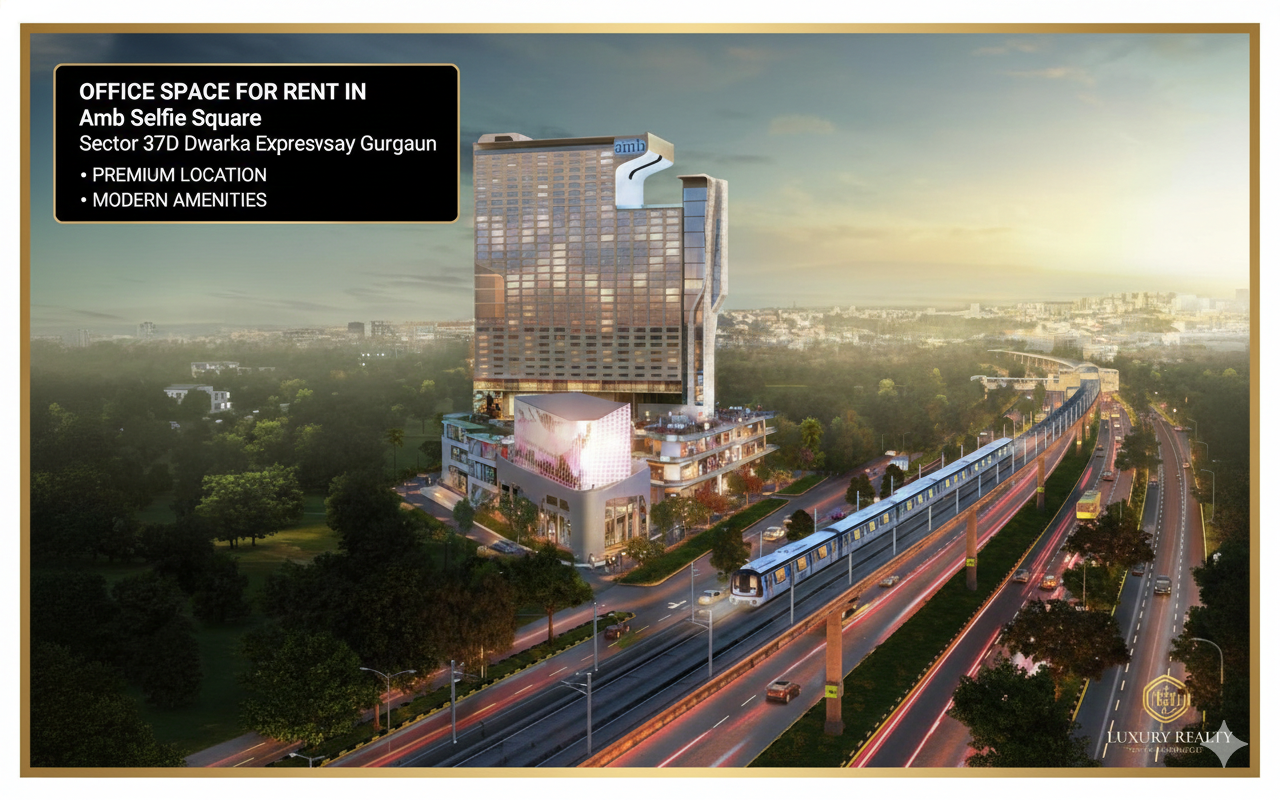
The NCR's nearly 19% luxury growth shows how infrastructure and branded supply can move a market fast. Gurgaon is the clearest case, where the Dwarka Expressway, New Gurgaon, and the Golf Course belt have all seen strong appreciation. If you want to ride this growth close to home, focus on corridors with real infrastructure and job demand, not only hype. See our guide to the best cities to invest, the Dwarka Expressway corridor, and live projects on our projects page.
Research by the Realty Hunting editorial team, Gurgaon.
Frequently asked questions
Which city has the fastest-growing property prices in India?
Bengaluru led in 2026, with year-on-year residential price growth of about 24%, ahead of Mumbai and Delhi NCR.
How much did Gurugram property prices rise?
Luxury price growth in Delhi NCR, led by Gurugram, was near 19%, driven by branded residences and the Dwarka Expressway.
Why is Bengaluru growing so fast?
Strong job creation from Global Capability Centres, startups, and IT keeps housing demand high, while quality supply in tech corridors stays limited.
Which segment is growing the fastest?
Premium homes. Properties above ₹1 crore rose about 30% over the year, and the ₹1.5 to ₹3 crore band grew even faster.
Is Mumbai still a strong market?
Yes. The Mumbai region grew about 20% over the year, one of the strongest performances in India, helped by redevelopment and wealth.
Should I invest in a fast-growing market?
Only with a long-term view and solid fundamentals. A market that jumped 20% in a year will not always repeat it, so avoid chasing the chart.
Do all areas in a city grow at the same rate?
No. Headline city growth hides big gaps. A strong corridor with new infrastructure can sit next to a flat one in the same city.
Price growth figures come from market reports and change each quarter, so verify the latest data before you act. If you want help picking a growth corridor in the NCR, the Realty Hunting team can guide you.