Lock-In Period in Real Estate: Rent, Lease and Investment

The phrase lock-in period appears in rent agreements, commercial leases, builder documents and investment schemes, and it means something slightly different in each. What stays constant is the core idea: a stretch of time during which one side, or both, cannot walk out without a penalty. Understanding lock-ins before you sign decides whether a clause protects you or traps you. This guide covers every place the term shows up in real estate.
What a lock-in period means
A lock-in period is a contractually fixed duration during which a party cannot exit the agreement, or can exit only by paying the agreed cost. It exists to protect the side that invests upfront: a landlord who furnishes a flat for a tenant, a business that fits out a leased shop, or an operator who builds around committed money. The lock-in converts a relationship that could end any month into one with a guaranteed minimum life.
Lock-in in residential rent agreements
In home rentals, the lock-in commonly runs six to twelve months inside an 11-month agreement. If the tenant leaves during the lock-in, they typically forfeit the deposit or pay rent for the remaining lock-in months; if the landlord evicts without cause during it, they owe the tenant equivalent compensation. Read whether the lock-in binds one side or both, since one-sided clauses are common and negotiable. The lock-in and the notice period are different things: notice applies after the lock-in ends, a distinction our rent agreement guide explains in detail.
Lock-in in commercial leases
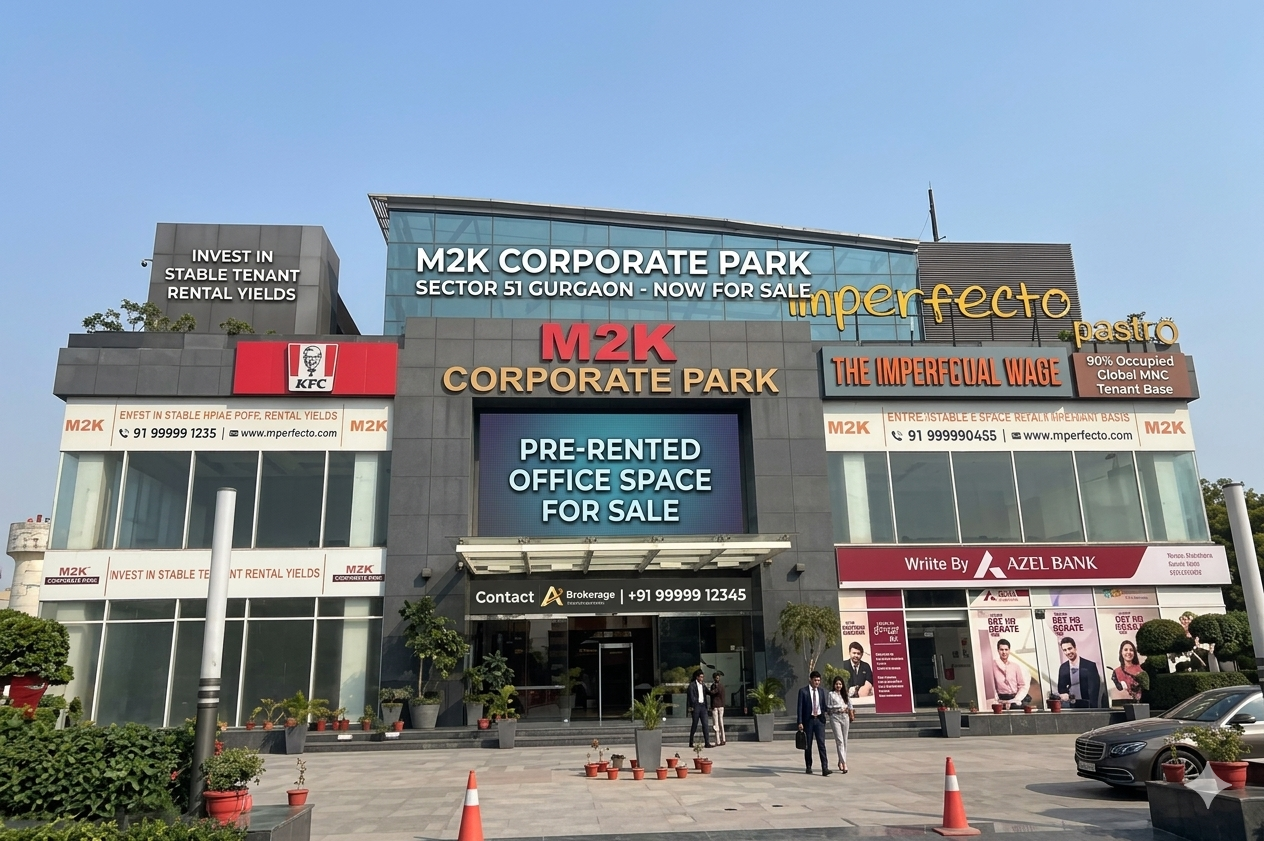
Commercial lock-ins run longer, commonly three years or more in a nine-year lease structure, because tenants spend heavily on fit-outs and landlords shape buildings around anchor occupiers. For a property investor, the tenant's lock-in is the spine of the income: a pre-leased asset with five years of lock-in remaining is a fundamentally safer purchase than the same unit with six months left. Always read the lock-in against the lease's escalation and exit clauses together.
Lock-ins in purchase and investment structures
Builder-buyer documents can carry their own timing constraints, transfer charges before possession, or conditions on resale of allotments in certain schemes. Investment products wrapped around property, assured-return commitments and managed formats among them, often lock your capital for defined years, which is precisely where our assured return guide urges the hardest reading. And affordable-housing allotments under government policies can restrict resale for fixed periods by rule rather than contract. In every case the question is identical: how long is my money committed, and what does exit cost?
Negotiating a lock-in sensibly
Lock-ins are negotiable before signature and nearly immovable after. Tenants should match the lock-in to their real certainty, a shorter lock-in with slightly higher rent often beats a long one at a discount. Landlords and investors should push lock-ins longer when they concede on rent or spend on fit-outs. Both sides should insist the clause states the exit price precisely, deposit forfeiture, months of rent, or a formula, because vague exit language is what turns disagreements into litigation.
A worked example of a lock-in cost
Numbers make the clause concrete. Suppose you rent a flat at Rs 40,000 a month with a two-month deposit of Rs 80,000 and a six-month lock-in. If a job transfer forces you to leave in month three, the agreement's remedy decides the damage. A deposit-forfeiture clause costs you the Rs 80,000. A remaining-lock-in-rent clause costs you three more months, Rs 1.2 lakh, potentially worse. This is exactly why the lock-in length and its exit price deserve negotiation before you sign, not regret after. A tenant uncertain about staying six months should push for a shorter lock-in even at slightly higher rent, since flexibility is cheaper bought upfront than paid for on exit. The same arithmetic, scaled up, governs commercial leases, where lock-in exit costs run into lakhs and make the clause one of the most consequential lines in the entire document.
Frequently asked questions
What is a lock-in period in a rent agreement?
It is the initial stretch, commonly six to twelve months, during which the tenant cannot leave, or the landlord evict, without paying the agreed cost, usually deposit forfeiture or remaining lock-in rent.
Is the lock-in period the same as the notice period?
No. The lock-in bars exit for its duration; the notice period is the advance intimation required for exit after the lock-in ends. Agreements contain both, and they operate in sequence.
What happens if a tenant leaves during the lock-in?
The agreement's remedy applies, typically forfeiting the security deposit or paying rent for the unexpired lock-in months. The exact consequence is whatever the clause states, which is why it must be precise.
How long are commercial lease lock-ins?
Commonly three years or more, reflecting tenants' fit-out investments and landlords' income planning. For investors buying leased assets, the remaining lock-in is a core measure of income safety.
Can a lock-in bind only one party?
Yes, one-sided lock-ins are common, binding the tenant but not the landlord or the reverse. Both-sided clauses are fairer and worth negotiating before signature.
Are lock-in clauses legally enforceable?
Courts have generally upheld reasonable lock-ins and their agreed compensation, especially in commercial settings. Precisely drafted clauses with clear exit costs enforce best.
A lock-in is time converted into security, someone's security, and the clause decides whose. Read every lock-in for its length, its sidedness and its exit price before you sign, and negotiate while your signature still has value. Our team can help you read the clauses on any agreement or income asset you are weighing.