Gurgaon vs Faridabad for Investment: Which Is Better

Gurgaon and Faridabad are both Haryana cities in the NCR, both a similar distance from Delhi, and yet they sit worlds apart on price and property character. Gurgaon is the glossy corporate hub; Faridabad is the older, cheaper industrial city now catching a fresh wave of investment. For a buyer weighing the two, the choice comes down to budget against growth stage. Here is how they compare.
Gurgaon versus Faridabad at a glance
| Factor | Gurgaon | Faridabad |
|---|---|---|
| Average rate (per sq ft) | Around ₹14,850, up to ₹65,000 premium | Around ₹6,600 |
| Stage | Mature, corporate, premium-heavy | Emerging, value, catching up |
| Best for | Jobs, luxury, strong resale | Value, space per rupee, patient upside |
| Connectivity | Cyber City, expressways, metro | Metro, Delhi-Mumbai Expressway link, FNG |
| Risk | Lower, deep established market | Higher, thinner but improving market |
Rates are current 2026 figures. The headline is the price gap: Gurgaon's average is more than double Faridabad's, and its premium corridors are several times higher. That gap is the whole investment question.
The case for Gurgaon
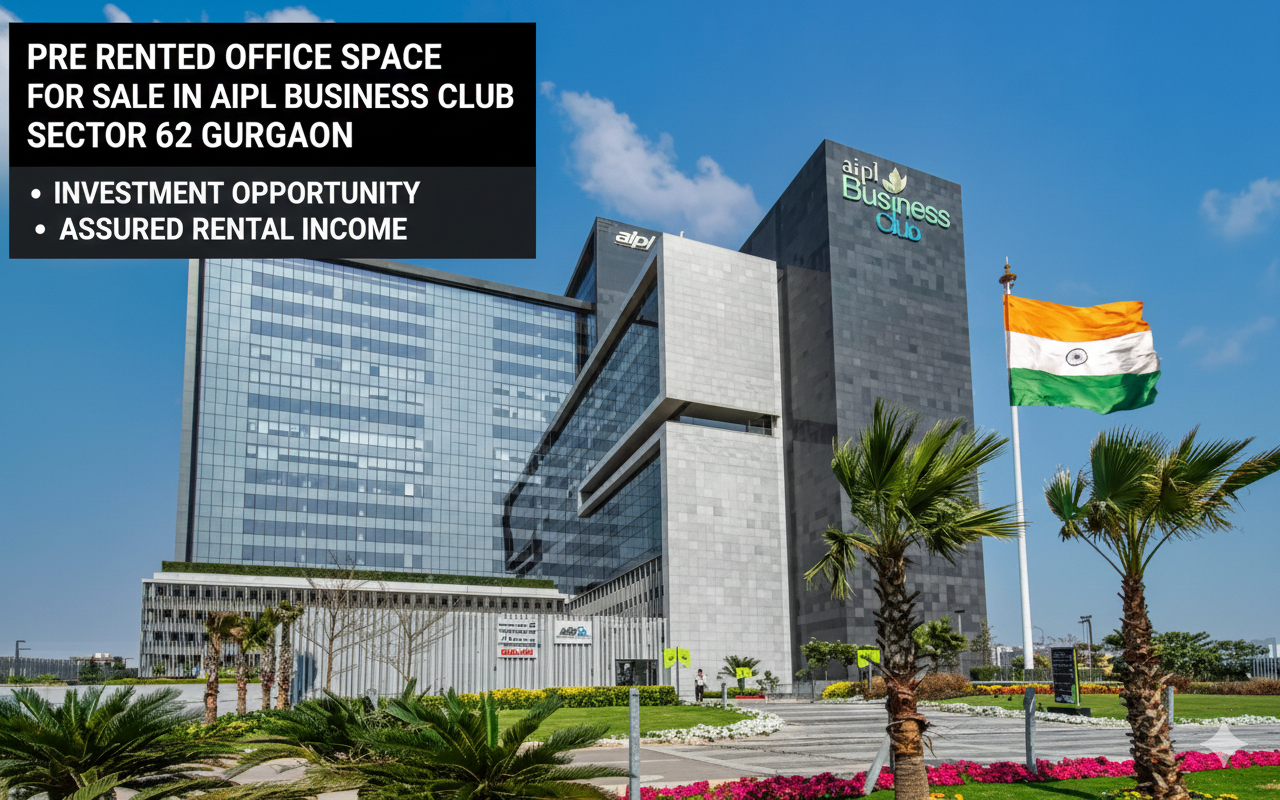
Gurgaon is the safer, deeper bet. It has the jobs, the corporate campuses at Cyber City and the expressway corridors, and the strongest resale and rental demand in north India. Prices are high and rising, and the premium corridors keep setting records, so your capital works in a proven market with genuine liquidity. The trade-off is the entry price: you pay a lot per square foot, and the easy early gains in the established belts are behind you. Gurgaon suits an investor who wants a liquid, lower-risk asset in a job-rich market. See the market in our best sectors guide.
The case for Faridabad
Faridabad is the value and catch-up play. At around ₹6,600 per square foot on average, it offers far more space per rupee than Gurgaon, and the Greater Faridabad or Neharpar sectors are drawing new townships and buyers. The upside is tied to infrastructure: the metro extension, the Faridabad-Noida-Ghaziabad corridor, and the Delhi-Mumbai Expressway link that improves connectivity. The risk is that the market is thinner and the jobs base smaller than Gurgaon's, so appreciation is a patient, infrastructure-led story rather than a sure thing. Faridabad suits a value buyer with a longer horizon.
Which one for which investor
The choice is really about your priorities. If you want a liquid, lower-risk asset in the strongest job market, with the deepest resale demand, Gurgaon is the answer, and you accept the high entry price for it. If you want the most space per rupee and are willing to wait for infrastructure to lift a value market, Faridabad gives you a lower entry and a longer runway. Many investors who need certainty and rental demand now lean Gurgaon; those parking money for the long term on a value thesis lean Faridabad. Neither is wrong, they answer different questions.
Frequently asked questions
Is Gurgaon or Faridabad better for investment?
Gurgaon is the lower-risk, more liquid market with the strongest jobs and resale demand, at a high entry price. Faridabad is the value play with more space per rupee and infrastructure-led upside, at higher risk. Choose by your budget and horizon.
Which is cheaper, Gurgaon or Faridabad?
Faridabad, by a wide margin, averaging around ₹6,600 per square foot against Gurgaon's ₹14,850, with Gurgaon's premium corridors several times higher.
Is Faridabad a good place to invest?
As a patient, value-led bet on the metro, the FNG corridor and the Delhi-Mumbai Expressway link, yes. Expectations should be measured, since the market is thinner and jobs-lighter than Gurgaon.
Why is Gurgaon so much more expensive than Faridabad?
Gurgaon has the corporate job base, the established luxury market and the deepest demand in north India, which supports far higher prices than industrial, value-priced Faridabad.
Which has better connectivity, Gurgaon or Faridabad?
Both are metro-connected. Gurgaon has the expressway network and Cyber City; Faridabad has the metro, the FNG corridor and the Delhi-Mumbai Expressway link improving its access.
Which city has better rental returns?
Gurgaon has the deeper rental market thanks to its corporate job base, so vacancy is lower and rents firmer. Faridabad's rental demand is smaller, but the lower entry price can lift the yield on the right property.
Is Greater Faridabad a good area to buy?
Greater Faridabad, or Neharpar, is the city's growth belt, drawing new townships and the metro extension. It offers space per rupee, but buy occupied projects with clean paperwork and keep the horizon long.
Will Faridabad prices catch up with Gurgaon?
They are unlikely to close the gap fully, since Gurgaon's job base and luxury market are far deeper. But Faridabad can appreciate steadily as its infrastructure fills in, which is the value case for buying there.
Where should a first-time buyer invest, Gurgaon or Faridabad?
A first-time buyer on a tight budget gets more home in Faridabad, while one who values a strong job market and easy resale leans Gurgaon. Match it to whether you prioritise space and price or liquidity and jobs.
Gurgaon and Faridabad answer different questions: Gurgaon for a liquid, lower-risk asset in the strongest job market, Faridabad for value and space per rupee on a patient, infrastructure-led thesis. Match the city to your budget and horizon. Browse options in our residential listings and more comparisons on the blog. Prices are indicative, so confirm before buying.